Last updated on July 18, 2026
Credibility guarantee:
✅ Based on first hand experiences
✅ In-person visit in the field
✅ Official sources included
✅ Realistic accessibility information
Are you going to enrol or thinking about enrolling in the University of Kiel’s Medical Life Sciences program in Kiel, Schleswig-Holstein in Germany? Here is a guide to the medical campus.
Other articles in this series:
Click here to read an overview of the Medical Life Sciences course at the University of Kiel.
Click here to learn about your Semesterticket (public transport ticket).
Click here to read and learn about how to get to Kiel.
About the University of Kiel/Christian Albrechts Universität in Germany
The official name of the university is the Christian Albrechts University (or Universität in German, CAU), it is known as the University of Kiel since it is located in Kiel. It has several campuses, and its entire campus is spread out over a wide area, some around 5km apart. This guide is mainly for students who are studying at the science and medical (UKSH) campus of CAU, but contains general information for all students there. It is part of my series of posts on the Medical Life Sciences masters program at the University of Kiel. Read the first part here.
Campuses and facilities
The University of Kiel has multiple campuses spread throughout Kiel. To see a map of each individual campus, go to the university website: https://www.uni-kiel.de/en/university/building-sites-campus-development/maps-directions
UKSH Campus
For students doing the medical life sciences degree, you will be spending most of your time in the UKSH campus, so I will start by talking about the UKSH campus. You can find a map of all campuses in the link above.
Orientation of the area around the UKSH campus
The medicine/science faculty is at the UKSH campus (UniversitätsKlinikum Schleswig-Holstein) and is where the classes for this course takes place. The campus is very roughly shaped like a diamond and has three public roads you will become familiar with on the south east (Düstenbrooker Weg), south west (Brunswiker Straße), and north east side, (Feldstraße), and an internal road on the north east side, Schwanenweg.
What’s on the UKSH campus?
This campus includes, among other things: a public hospital, a small botanical garden (Alter Botanischer Garten), a literature house (Literaturhaus), lecture halls (Hörsaal), cafeteria (this is a newer, commercial one as opposed to the mensa on the main campus), laboratories, and a private student dormitory, the Evangelische Studentenheim.
There are many official maps available, here are some. Note, not all landmarks are on all maps:
- https://www.uksh.de/traumazentrum/%C3%9Cber+uns/Anfahrt/Anfahrt+und+Lageplan+%7C+Campus+Kiel.html
- https://www.uni-kiel.de/en/university/building-sites-campus-development/maps-directions
Get to know your campus
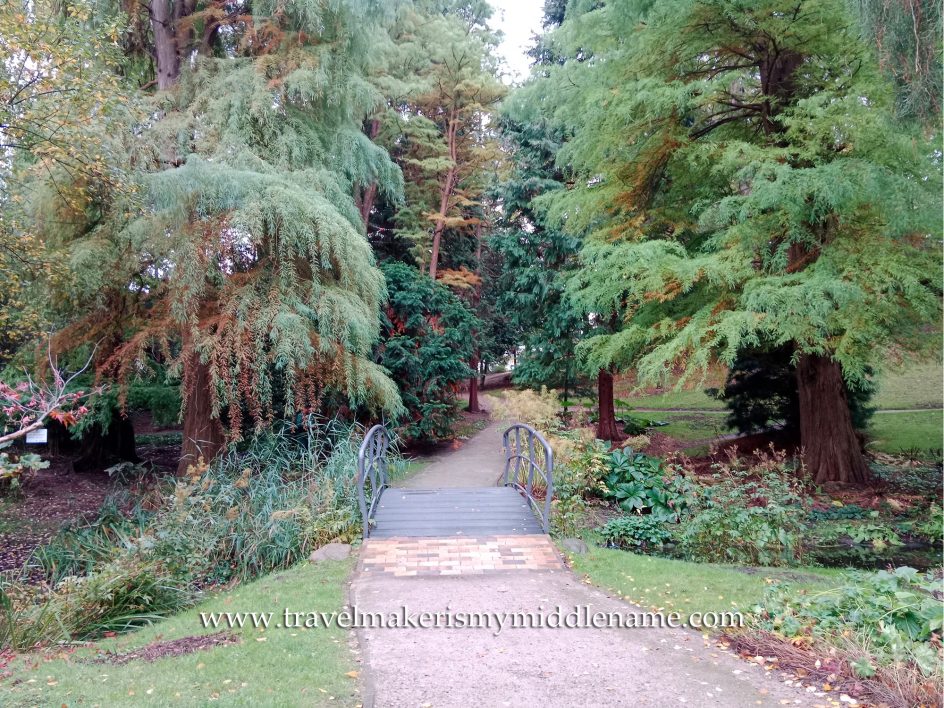
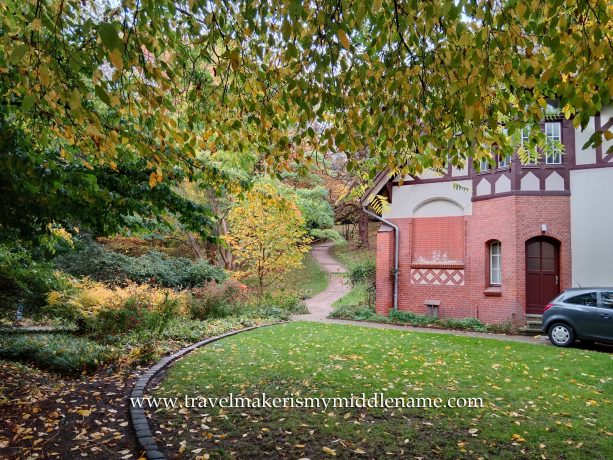
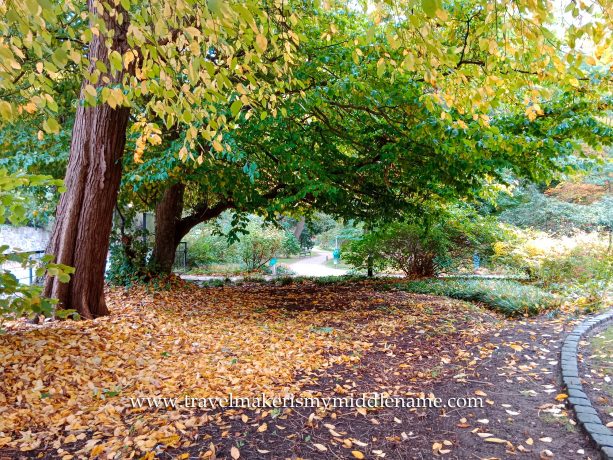
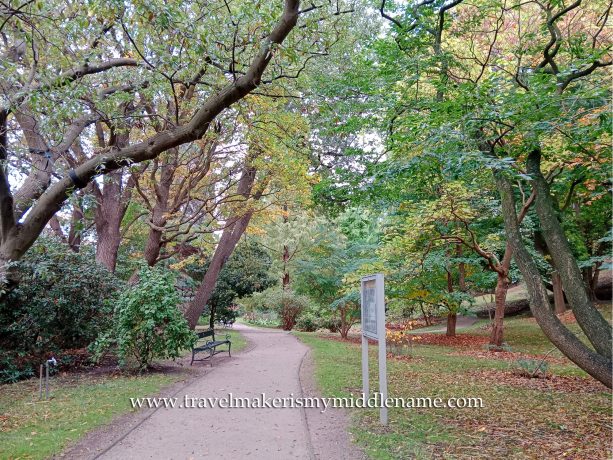
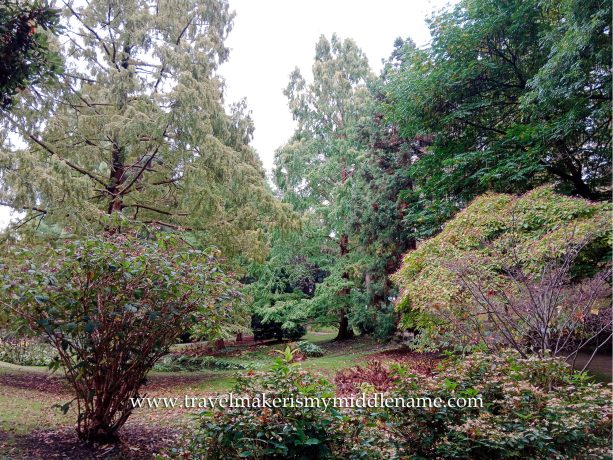
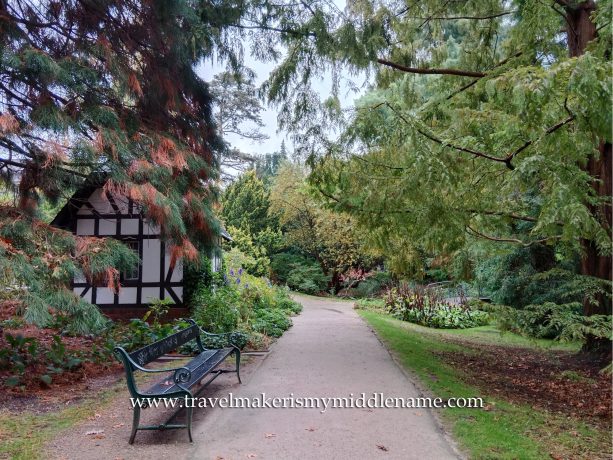
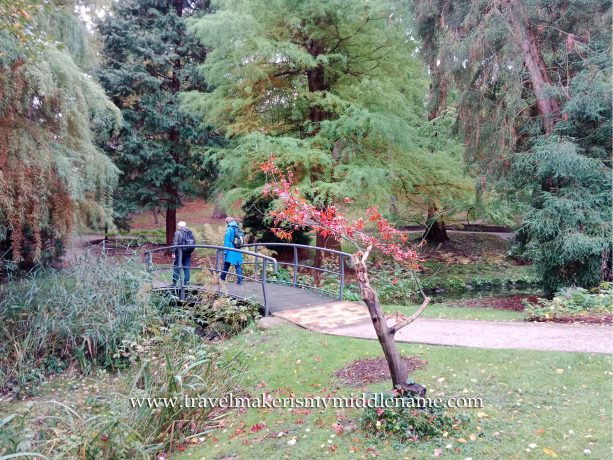
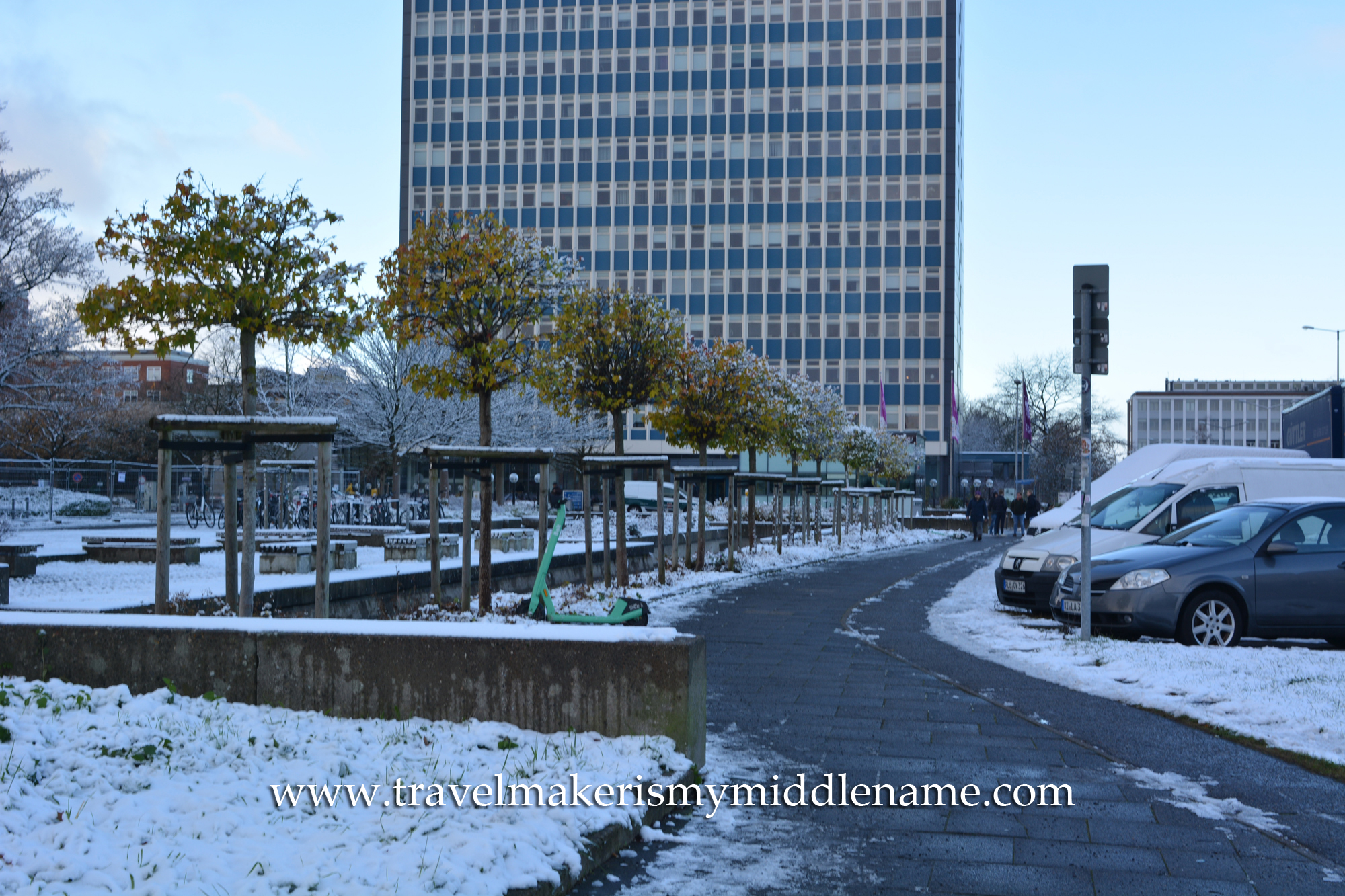
Kiel has a lot of natural environments, and the north eastern side of the UKSH campus is set amongst natural vegetation too.
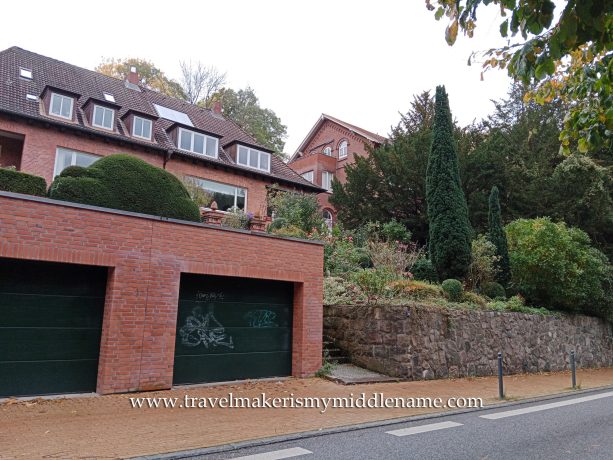
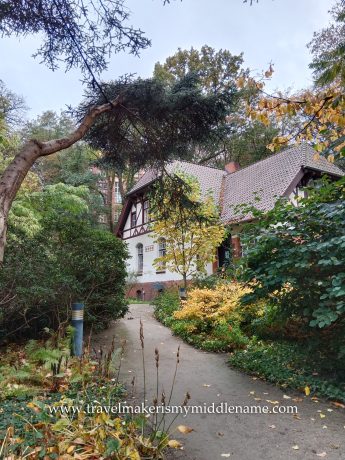
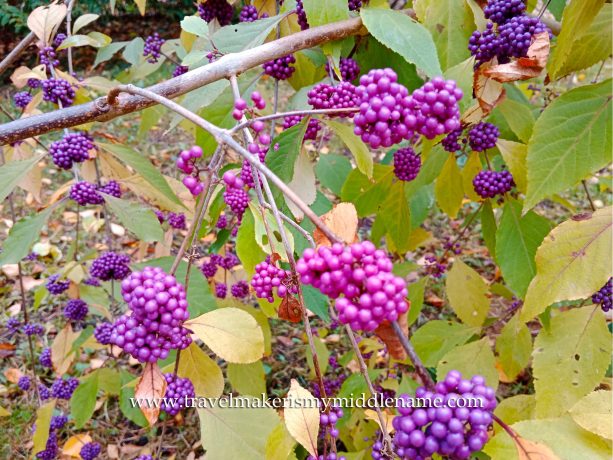
Germans love nature, and I have also developed an appreciation for nature from my experience living in Germany. It’s not just whether a single plant looks good or not, but the environment it creates. The old botanical garden (Alter Botanischer Garten) is a beautiful garden with footpaths and is a nice place to go for a stroll. If you pay attention to details, you’ll also appreciate the charming, almost fairy tale like aesthetics of traditional brick and stone buildings decorated with a quaint garden resembling a small forest, not just in the university but in suburban neighbourhoods with standalone houses.
What’s nearby – major landmarks
Public/External Roads
Here are the major public roads outside the campus you will become familiar with:
- Dürstenbrooker Weg (along the south east side)
- Brunswiker Straße (along the south west side)
- Feldstraße (along the north west side)
Bus stops
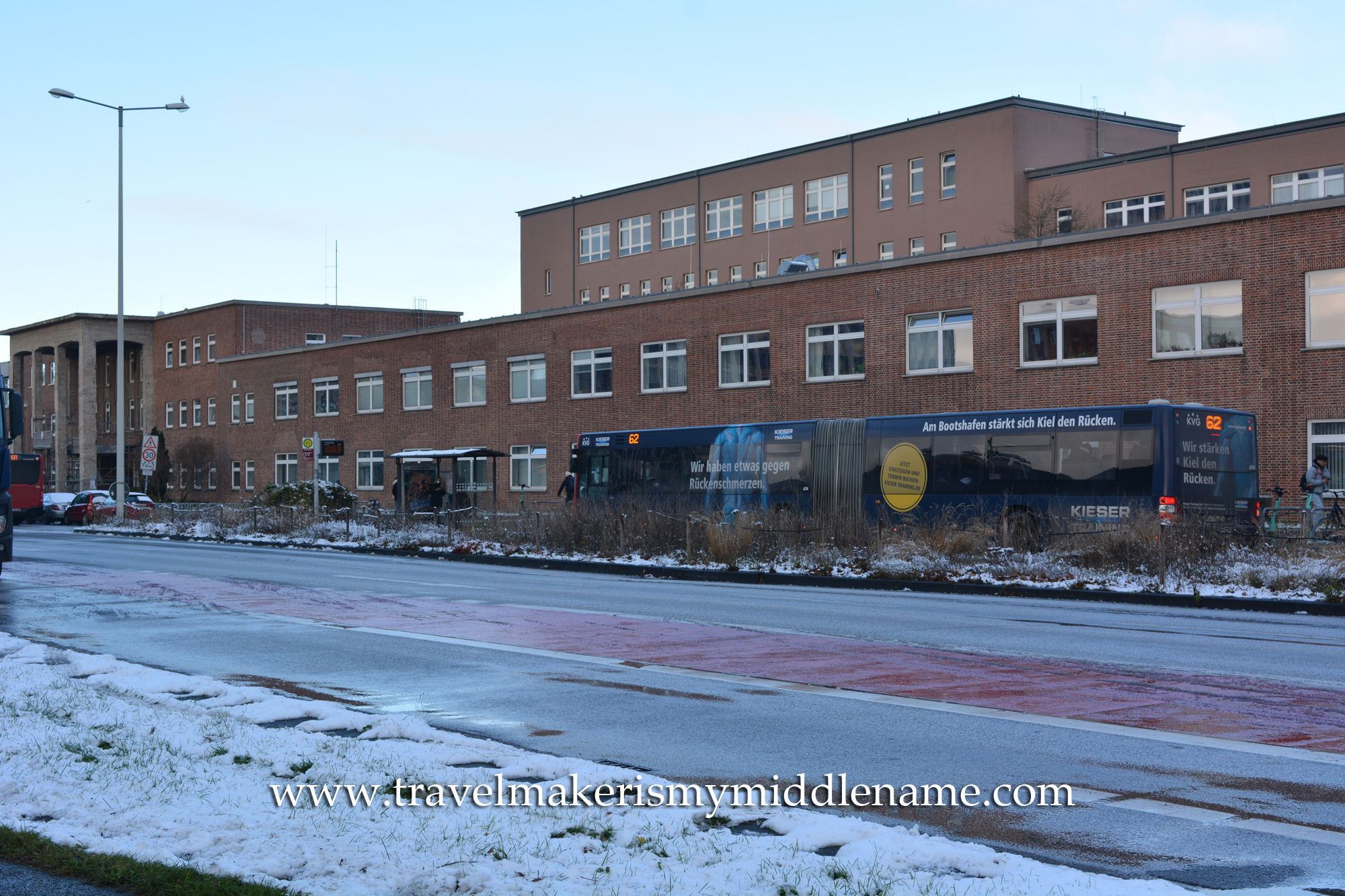
There are bus stops right outside the campus on the east, south, and west of the UKSH campus along Dürstenbrooker Weg (to access Schwanenweg), Brunswicker Straße (to access Hospitalstraße) and Feldstraße (to access Rosalind-Franklin-Straße), respectively. Buses go in both directions to and from the Hauptbahnhof.
Click here to read about using trains and buses in Germany.
Internal roads
There are several internal roads that you will quickly become acquainted with, namely:
- Schwanenweg
- Niemannsweg
- Hospitalstraße
- Rosalind-Franklin Straße

Schwanenweg runs from the south east side of the campus to the north west side, stopping roughly in the middle of the campus where it turns to Klaus-Groth-Platz, which then quickly turns into Niemannsweg (but it’s the same physical road).
Most (roughly 50%) of the course take place on one side of the campus, the north east side on Schwanenweg, particularly in the first year. Classes took place in a conference room in a staff building (called the Institut für Epidemiologie). The official address is number 11 Niemannsweg, but it is actually on the corner of Schwanenweg (which, as mentioned above, becomes Klaus-Groth-Platz, which then turns into Niemannsweg). It is located about 450m from the corner of Schwanenweg and Dürstenbrooker Weg. There are a flight of stairs with handrails going up to this room.
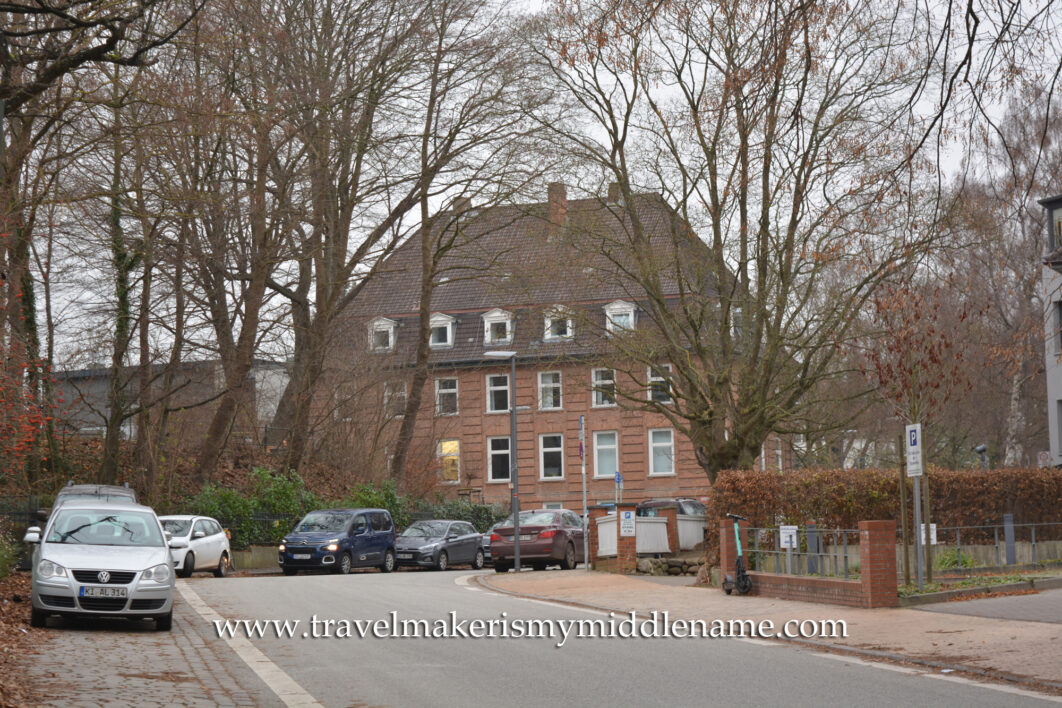
We also had some classes in an anatomy theatre, lecture halls, and computer room, elsewhere on campus, near Schwanenweg. There were limited laboratory classes in the second semester in the newer part of the campus on the Feldstraße side.

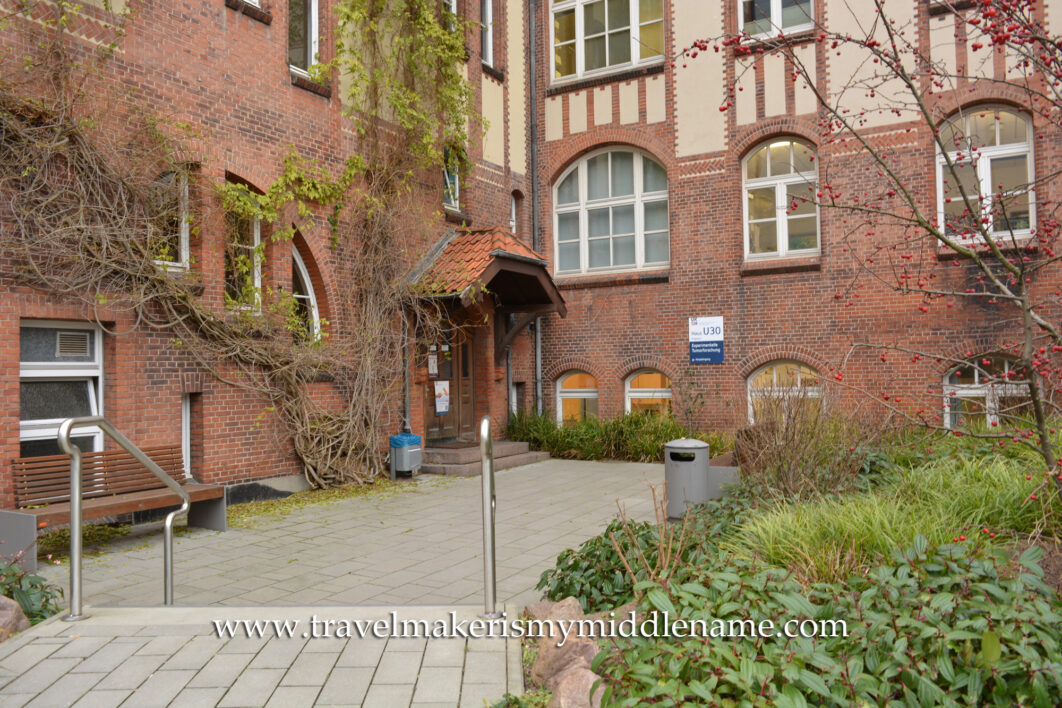
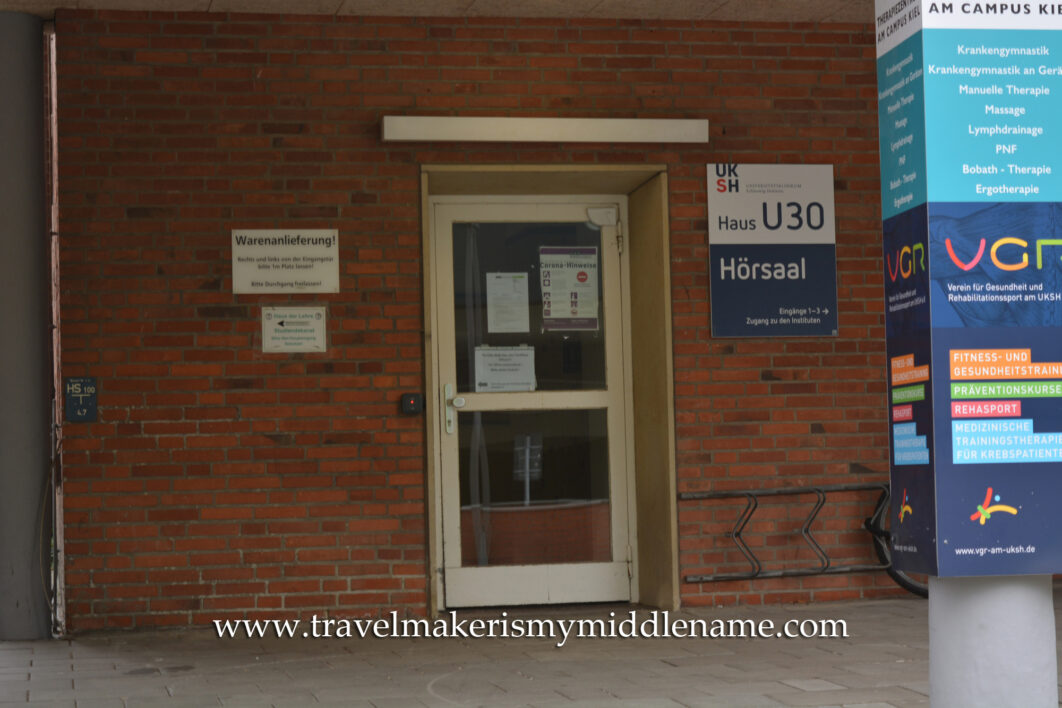
Pharmacology was on the south side of the campus, accessed via the main road, Brunswicker Straße, and then the internal road, Hospitalstraße inside the campus. Later, we also had classes on the west side near the public road Feldstraße, along the internal road, Rosalind-Franklin-Straße, where my limited practical classes were conducted in a comfortably modern lab.
Buildings
The Evangelische Studentenheim is a private student dormitory. It is located on Dürstenbrooker Weg on the south eastern side, perpendicular to Schwanenweg. Dürstenbrooker Weg is a public road outside the south eastern side of the UKSH campus, and there are bus stops (called “Schwanenweg”) immediately outside the campus on Dürstenbrooker Weg going in opposite directions.
There is also a Red Cross building, and a variety of campus buildings.
Kiellinie
About 100m across the road is the Kiellinie, which a path along the sea that goes for about 3.5km. People go for strolls there along the water, and there is a grassy area that people can have picnics and and enjoy the outdoors on. Overnight and long distance ferries travelling from Kiel to Göteborg, Sweden, and Oslo, Norway, pass this area. In the summer, during Kiel Week (Kieler Woche), thousands of people pack along the Kiellinie to watch the evening fireworks.
GEOMAR
There is an aquarium called the Aquarium GEOMAR, about 100m from the corner of Schwanenweg and Dürstenbrooker Weg.
On-site facilities at the UKSH campus
Cafeteria
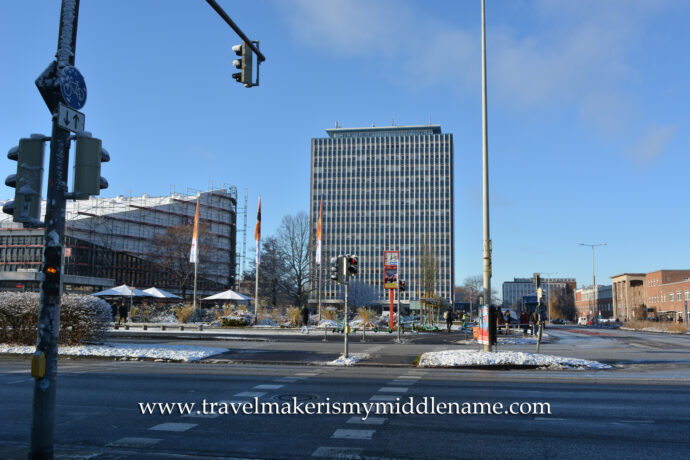
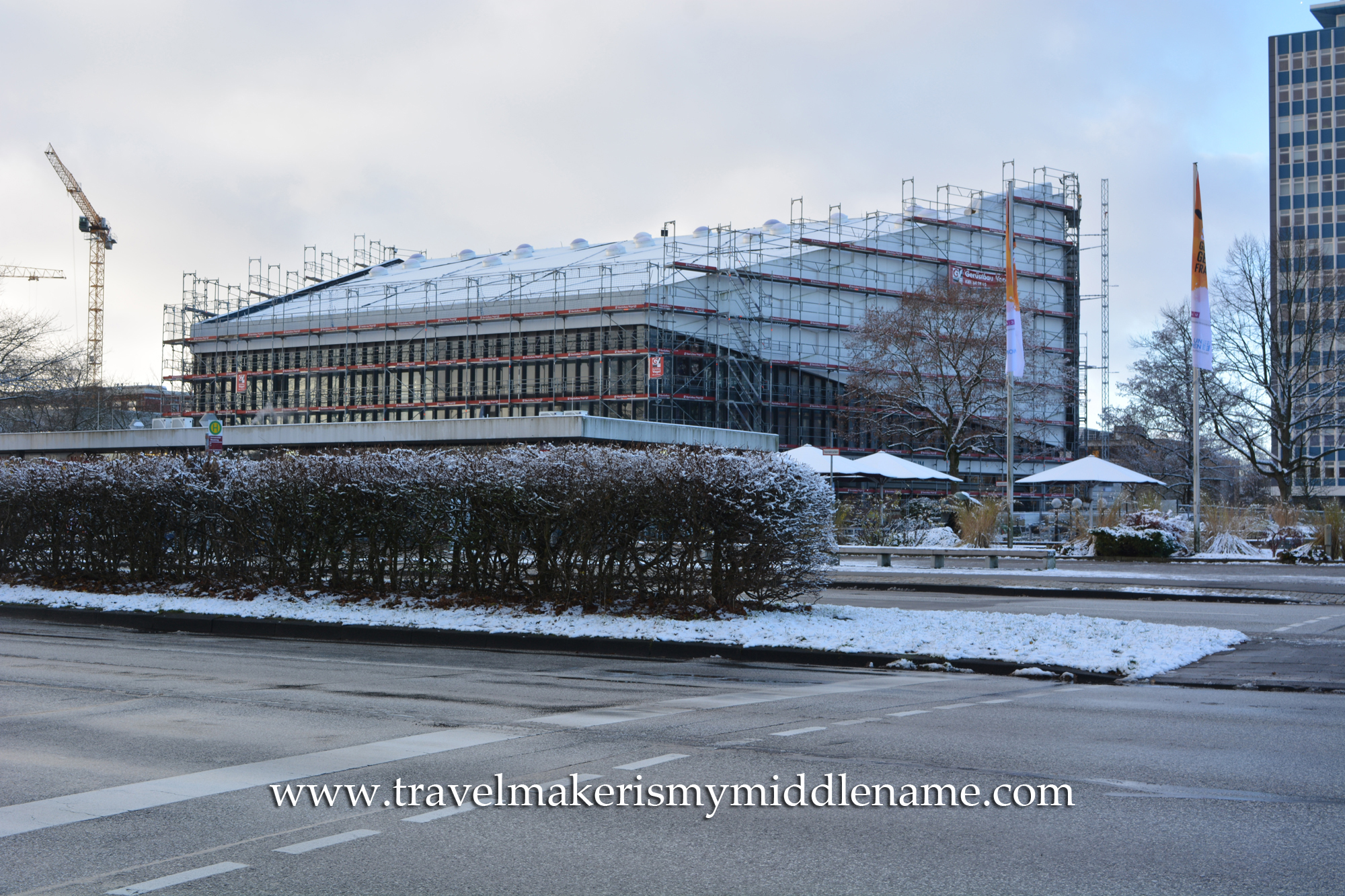
The buildings towards Feldstraße are more modern, in fact new buildings have been under construction since 2022. There is a modern building with a commercial cafeteria onsite (on the Feldstraße side) selling food for the staff and students, as well as visitors. Staff and students get a discount. They try to provide a variety of food from various cuisines and diets. For example, there were vegetarian food, noodles, Chinese stir fries from the hot buffet section, and German food like sausages and sandwiches, fruit salad from the cold and deli bar, as well as packaged food like yoghurt, fruit juice, hot tea, and coffee.
Library and student card activation
There is a medical library, the Medizinische Bibliothek (opens in a new tab), but it is not within the UKSH main campus. Instead, it is located directly across the public road (Feldstraße) on the north side of the campus, on Breiter Weg, number 10 (opens in a new tab). There is a machine in this small library that activates your student card, which is something you need to do each semester.
Wifi
The UKSH campus contains a modern, public hospital and an ambulance vehicle bay, but also student classrooms. There is a free wifi network on campus for students, however, I frequently had trouble connecting to this. The wifi was better at and near the hospital, including in classrooms that could access the hospital wifi.
Main campus
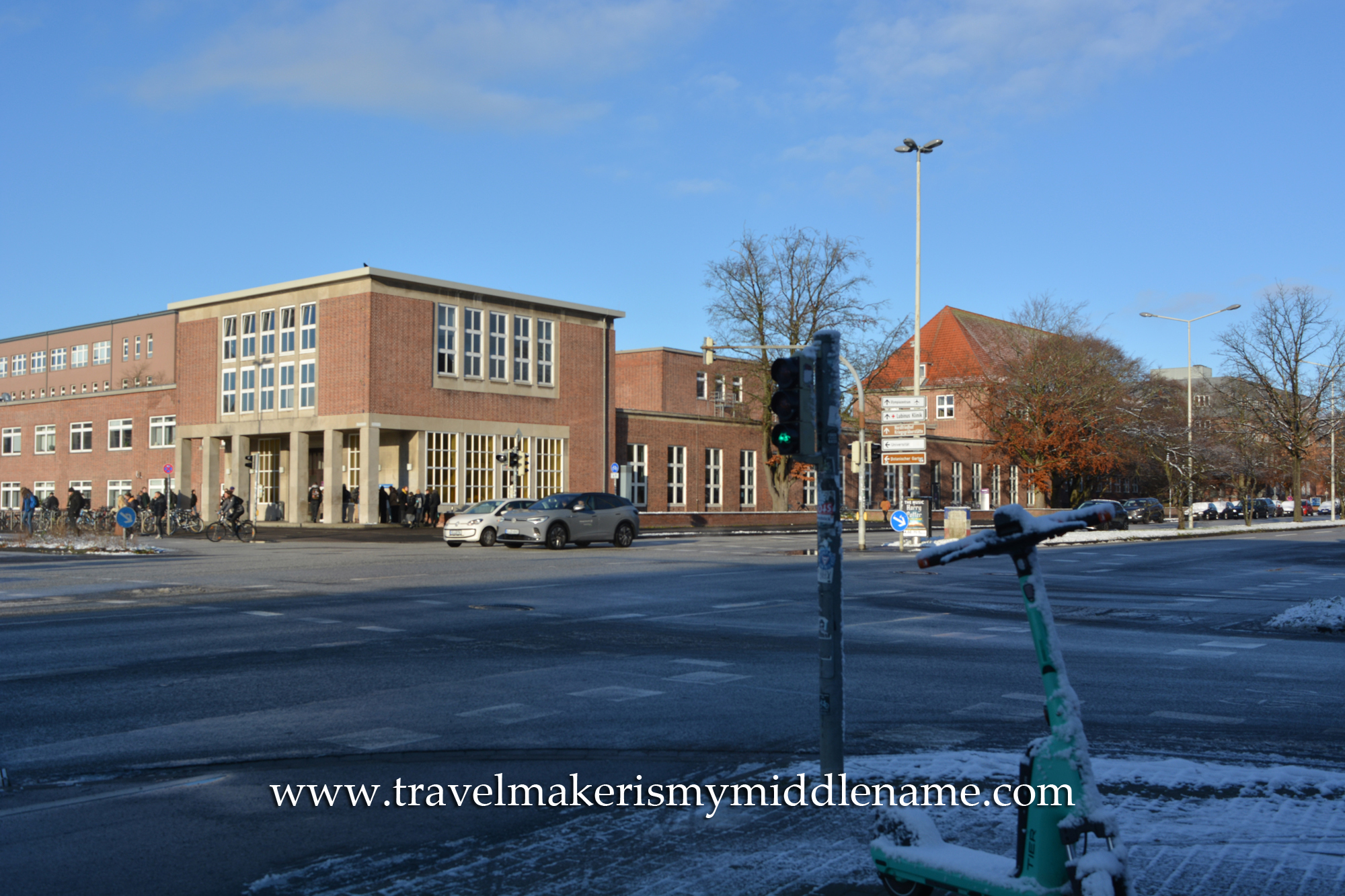
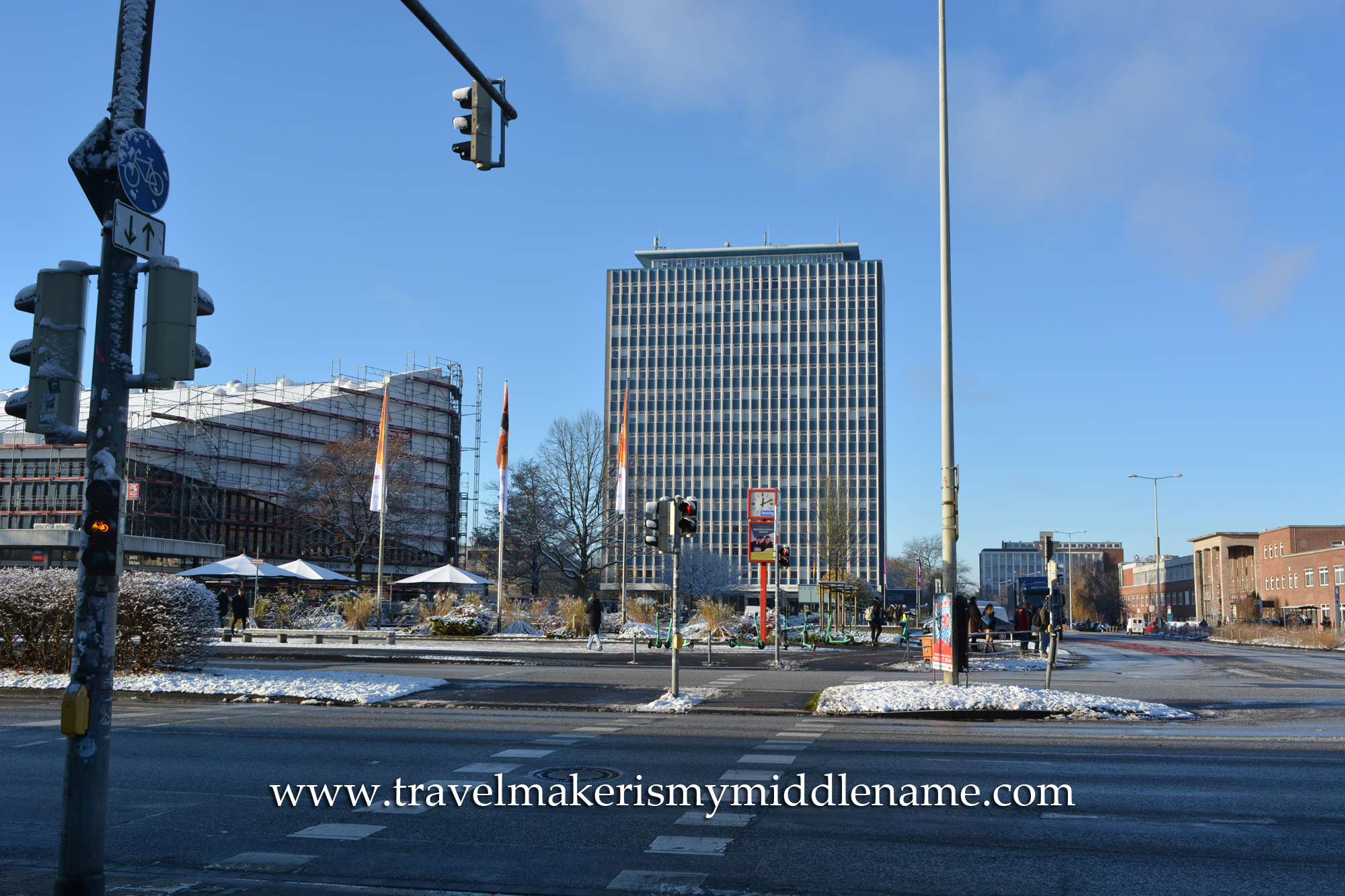
The main campus is in Westring. It consists of a major lecture hall that almost everyone else has lectures, in, cafes, shops, printing services, administration offices, a student cafeteria (called a Mensa), and student card machines where you can top up your student card with money.
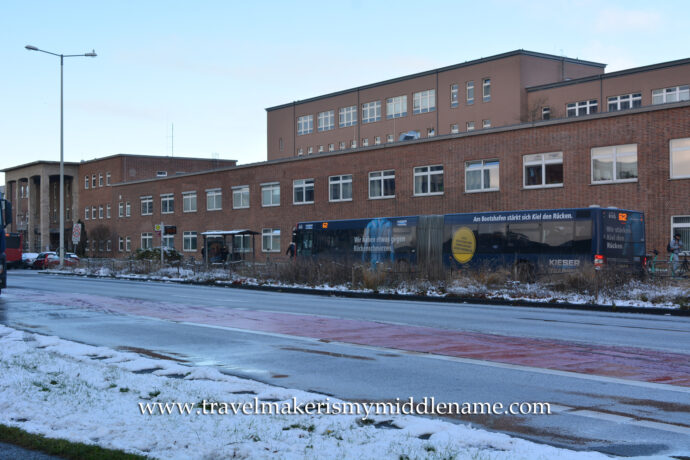
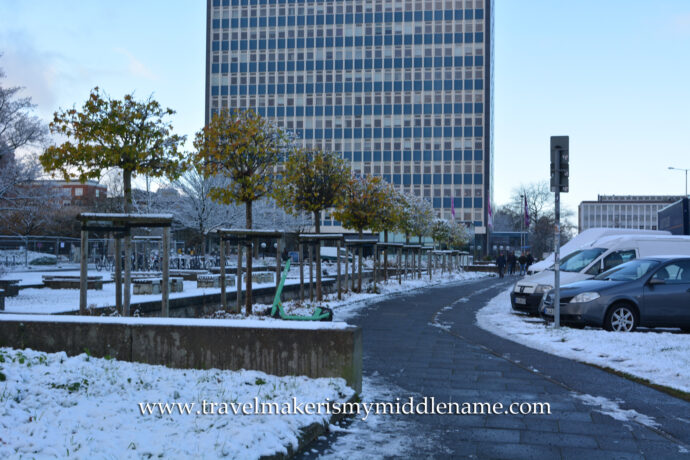
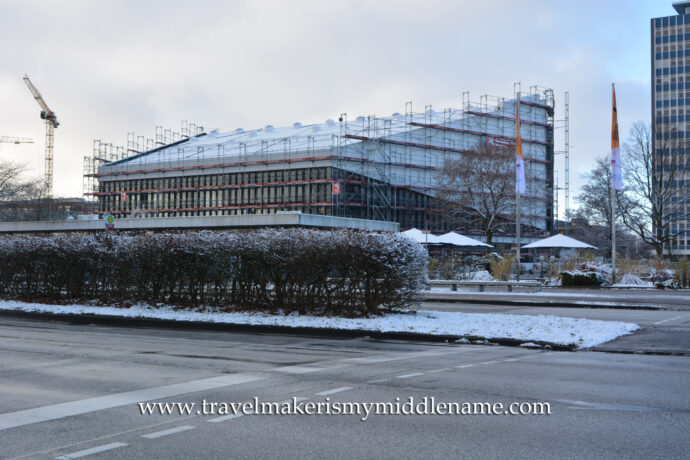
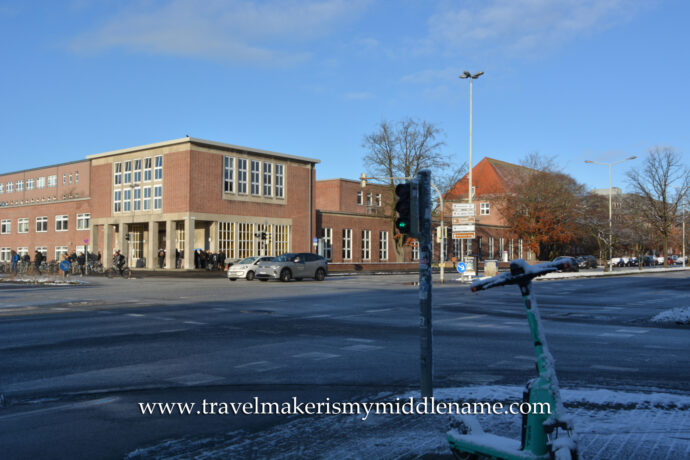
The main lecture hall (Hörsaal) there is the famous Audimax (opens in a new tab). The uniquely shaped Audimax is the main lecture hall that almost everyone else has classes in, and quite disappointingly, we, as students of the medical life sciences program, never had a single lecture there, or any classes on that campus, which is where it really feels like a lively university campus.
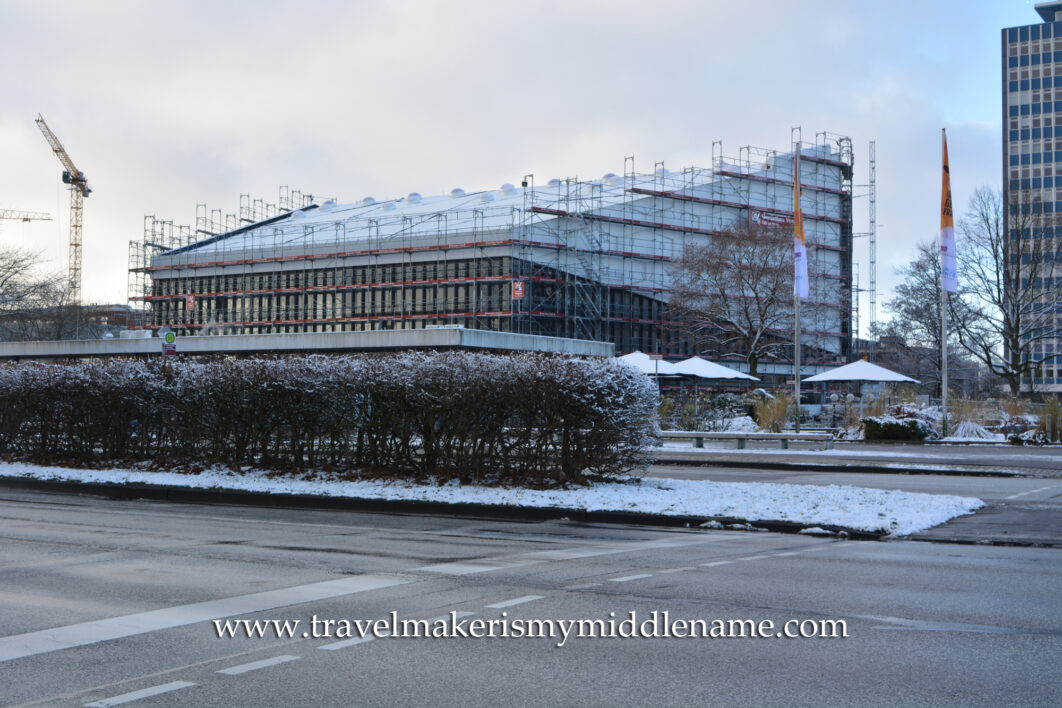
Cafeteria/Mensa
On the main campus, there is a school cafeteria, known as a Mensa in German. This cafeteria is a university one, and had more affordable food, and a large dining hall. The menu changes daily, and they serve hot food, and also sell things like bottled drinks and packaged snacks. You do have to put money on your student card first and pay with your student card instead of cash or bank card, which is a little bit annoying. There are charging machines on site and directly outside the Mensa hall. Many students eat their own lunches in the dining hall.
Libraries
The university has more than one library. The main one, the Universitätbibliothek Kiel (opens in a new tab) is on Leibnizstraße (opens in a new tab) and is very well facilitated. It has several floors, books in various languages and topics, printers, staff to help, and has plenty of space to study, either in the open with rows of tables and chairs, or private rooms to book. I really liked the library. Even though it was some way away from my campus, getting there was not much of a problem because the buses were free with your semester ticket.
It has wifi for students, but I frequently had trouble connecting to it. Currently (2026), it is undergoing improvements to the WLAN infrastructure.
Sports Center
CAU has their own sports center, the Sportsplatz. Like the library and the campuses, this is also on its own site, but getting there is not a problem with the semester ticket. It has an outdoor running track, ball court, and an indoor swimming pool. The 2022 Kiel Special Olympics was held there.
Your student ID card
Your student card has your picture on it and is used to borrow books and access university facilities. You need to send them a picture of yourself for the card. When the card is ready, it will be mailed to you (or you can pick it up from the Westring campus university student services).
When you get your student ID card, you have to activate it. To activate your student card, you have to go to one of the activation machines on campus, usually a library. Simply put it in and follow the directions. You need your student ID card to borrow books, use library facilities, and pay for food at the Mensa. You will not be able to activate the card unless you pay the semester fee each semester.
Student services
There is a variety of services available to students. The university has student dormitories for rent, these range from more modern buildings serviced with elevators, to slightly older buildings without elevators.
There is also a free legal consultation for students, these are short, (15 minute) consultations. See their website here for details: https://asta.uni-kiel.de/en/beratung/rechtsberatung/
For international students, there is an international students center where you can ask and get help with anything you might need help or information on as an international student, such as part time work, social issues, housing, counselling.
Studying with a disability?
Germany takes anti-discrimination very seriously, and organisations like schools makes great efforts to ensure everyone has access to barrier-free services, at least on writing. What this means is, there are policies and measures in place to ensure barrier-free accessibility, but in practice, you may have to ask for it and do a bit of work to get it. If you have a disability, you can make this clear to the dormitory when signing up to their wait list for accommodation, or ask the student services above for help. I actually had an issue with getting suitable accommodation from the dormitory at first, but this is a story for another day.
Subscribe to get notified of when I publish information on accommdation and student dormitories.
[email-subscribers-form id=”5″]
If you found this article helpful, please make a donation.
I know these messages are annoying, but please don’t skip this. If you’ve read this far, please make a donation. I am not just another blogger soliciting donations.
What I am asking donations for:
I need financial stability because my disabilities and chronic illnesses prevents me from getting a job to recover from a devastating financial loss. I am asking for donations to recover the money I lost.
Why I am asking:
I:
• have serious lifelong disabilities and chronic disease from multiple cancers, including a childhood one that destroyed my ability to grow and develop normally,
• live in a difficult situation,
• lost my life savings.
I am raising funds to rebuild the financial security I lost after becoming the victim of a scam. Due to severe disabilities and chronic illnesses caused by childhood cancer treatment and subsequent health problems, I am unable to work and cannot recover these losses through employment. Donations will help me cover essential living costs, medical expenses, legal costs, and to restore some semblance of living to my life and hopefully, pursue some dreams of mine.
Why now:
People rush to donate when a visible tragedy happens. The rest is ignored. Although my first cancer happened over 30 years ago when I was a small child, the consequences of the treatment is just as devastating, and even more so, since I was robbed of ever having a normal life from the beginning. My consequences are permanent and life-long. While it might not seem like a sudden event with great impact, the reality is, it is indeed an event with severe impacts. I live with the consequences of something I had no say in, every day, and it affects me minute to minute, in an increasingly severe manner, and I will always suffer the consequences, permanently. After years of trying to build financial independence despite my disabilities, I lost my savings through a scam out of desperation to try and leave an unsafe living situation. Because I cannot rely on paid employment, rebuilding those savings is not something I can possibly do alone.
How your donation can help:
The passage of time doesn’t make it better, in fact, it makes it worse. The long term effects of my cancer treatment gave me multiple permanent and degenerative disabilities and chronic medical conditions that requires ongoing health care and support. I have been long term unemployed as a result, and live in an unsupportive household with no other options. To make matters worse, out of desperation to get out of the hole I am in, I fell victim to a scam, losing my entire life savings and leaving me in complete ruin and further unable to change my situation. I am stuck in a vicious cycle because I cannot seek a better environment to move to without money, and I can’t earn money with all my health problems, and I can’t seek treatment interstate or overseas without money.
An authentic request:
I am remaining anonymous for safety reasons, but I have provided verification documents with identifying information redacted, in my fundraiser.
About this site:
Despite my disabilities and chronic health diseases, I love to travel. Most of the travel I have done and places I have visited, I went as a solo traveller. I started this as a blog in 2015, where I posted reviews and practical information about places I have been to. Now, this is a standalone site that contains practical and useful information that I gathered from first hand, personal experience and independent travel, and I pass on this information so you know what you’re doing and what to expect, instead of blindly following a tour group or an influencer’s cherry-picked and staged photos. All the food and destination photos on this website are taken by me. I maintain this site and and my other sites alone, and take great care to ensure content is correct at the time of writing, and practically useful for potential travellers.
If you connect with my story, find my content helpful, and want to support me personally:
Please donate to my personal fundraiser, or share my fundraiser if you cannot. I wouldn’t be asking if I had other options, and if everyone pitched in, my goal can be achieved. You can read about me on my About page. Thank you.
Alternatively, if you would like to support a female, solo and independent traveller, you can have a look at my photos here, prints are available for purchase: https://theintrepidphotographer.com/
©All rights reserved for all content and photographs, usage on 3rd party platforms, including, but not limited to, websites and smartphone apps, and to train AI in any way shape or form, is forbidden without prior written permission. Photos are taken by author unless otherwise stated and is available for licensing.
Related posts:
 Full breakdown of the Masters of Medical Life Sciences at the Christian Albrechts University of Kiel, Germany: Rules, Campus facilities, Semesterticket, Student card and more
 Overview of the Masters of Medical Life Sciences at the University of Kiel, Germany – Introduction
 An introduction to Kiel, Germany for international students: Where it is, How to get there, and getting around
 Other issues with the Kiel Medical Life Sciences program
德国基尔大学 (University of Kiel) 医学生命科学硕士项目 (Masters of Medical Life Sciences) 概览——简介
Other issues with the Kiel Medical Life Sciences program
德国基尔大学 (University of Kiel) 医学生命科学硕士项目 (Masters of Medical Life Sciences) 概览——简介
 Germany’s university student Semesterticket (Deutschlandsemesterticket): What it is and how it works